
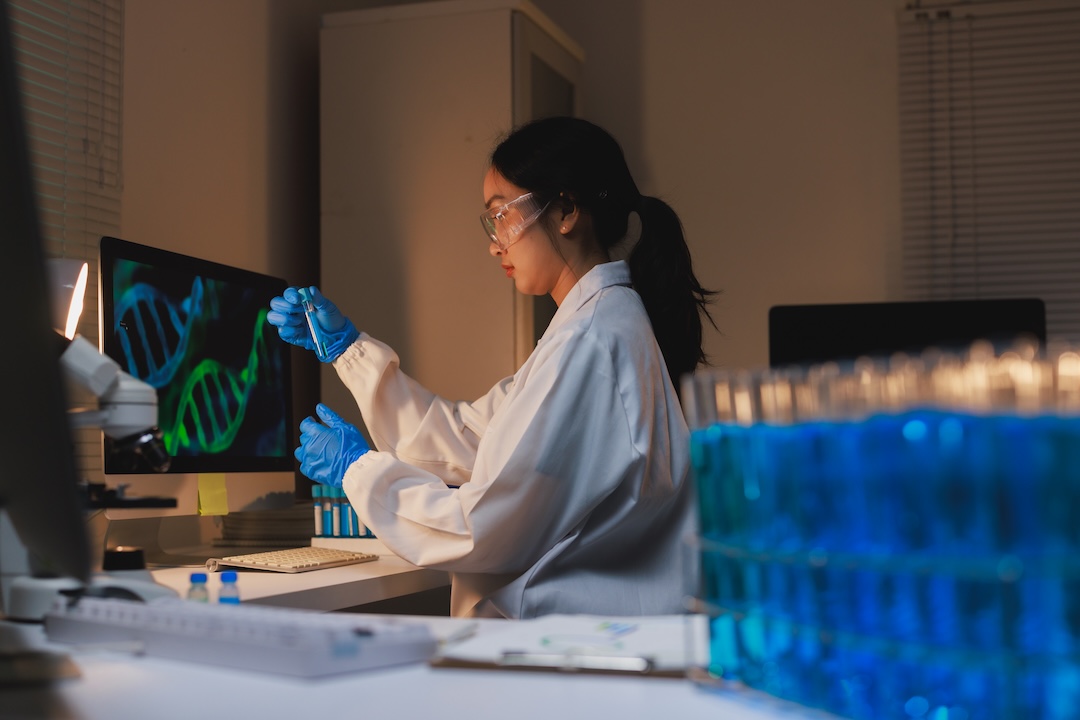
DNA replication and repair mechanisms
Our lab studies the fundamental processes that govern DNA replication and repair, with a focus on how cells accurately copy and maintain their genetic material. We investigate the molecular machinery responsible for DNA synthesis, including the coordination of enzymes that ensure replication proceeds efficiently and with high fidelity. By understanding how these systems operate under normal conditions, we establish a baseline for identifying what goes wrong when replication is disrupted.
A major area of our research examines the pathways cells use to detect and repair DNA damage. We study multiple repair mechanisms—such as mismatch repair, base excision repair, and double-strand break repair—to understand how cells respond to errors introduced during replication or caused by environmental stress. Our work aims to clarify how these pathways are regulated, how they interact with replication processes, and why certain defects lead to genome instability.
By linking replication and repair defects to disease-relevant outcomes, our research helps explain how genetic errors accumulate over time. We are particularly interested in how failures in these systems contribute to cancer development, aging, and inherited disorders. Ultimately, our goal is to generate insights that support improved diagnostics, risk assessment, and therapeutic strategies that target genome maintenance pathways.