
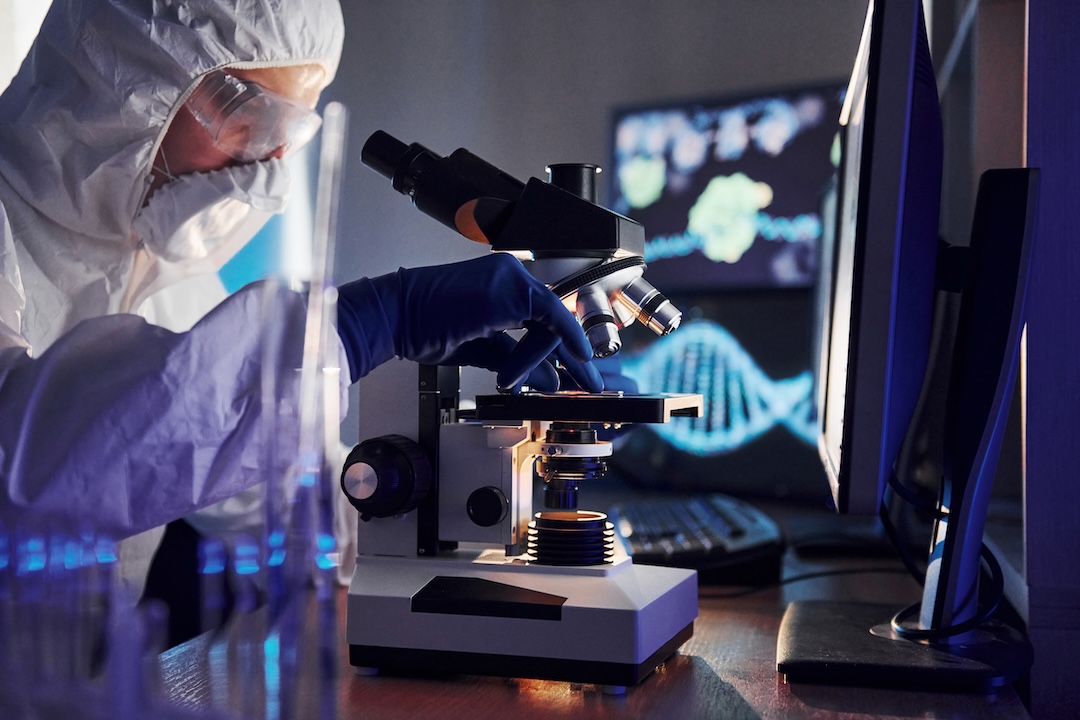
Structural variation in the human genome
Our lab studies structural variation in the human genome to understand how large-scale changes in DNA contribute to genetic diversity and disease. Structural variants—including deletions, duplications, insertions, inversions, and translocations—can affect thousands to millions of base pairs and often have a greater impact on genome function than single nucleotide changes. We investigate how these variants arise, how they are maintained across populations, and how they shape genome architecture.
A key focus of our research is the accurate detection and characterization of structural variants using modern genomic technologies. We combine short- and long-read sequencing, computational analysis, and validation assays to map structural changes with high resolution. This work aims to improve our ability to identify complex variants that are often missed by standard analysis pipelines, particularly in repetitive or poorly characterized regions of the genome.
By linking structural variation to gene disruption, altered regulation, and disease risk, our research helps clarify the biological consequences of genome rearrangements. Structural variants play important roles in developmental disorders, cancer, and inherited disease, yet remain underrepresented in clinical interpretation. Our findings contribute to more comprehensive genomic analyses and support efforts to incorporate structural variation into both research and diagnostic frameworks.